Skip to content
Maian — inovadora por natureza
  • Home
  • About Us
  • Segments
    • Maian Specialties
    • Maian Beauty
      • Commodities
      • Specialties
    • Maian Food
      • Commodities
      • Specialties
    • Maian Agro
      • Raw Material
      • Final Product
    • Maian Home
    • Maian Farma
    • Other Industries
  • Global Distribution
  • News
  • Contact
  • pt_BR
  • en_US
  • es_ES
  • pt_BR
  • en_US
  • es_ES
  • Home
  • About Us
  • Segments
    • Maian Specialties
    • Maian Beauty
      • Commodities
      • Specialties
    • Maian Food
      • Commodities
      • Specialties
    • Maian Agro
      • Raw Material
      • Final Product
    • Maian Home
    • Maian Farma
    • Other Industries
  • Global Distribution
  • News
  • Contact
Maian — inovadora por natureza
  • pt_BR
  • en_US
  • es_ES
Insumos Naturais para Indústria Cosmética

Complete Guide to Natural Ingredients for the Cosmetics Industry: Innovation and Sustainability

Have you ever stopped to observe how the beauty aisle in pharmacies and supermarkets has changed in the last five years? Where before we only saw vibrant plastic packaging promising synthetic miracles, today we find earthy tones, printed green leaves, and words like "organic," "vegan," and "natural." This is not just a passing fad; it's a silent but powerful revolution.


The search for natural ingredients for the cosmetics industry It has ceased to be a niche differentiator and has become a requirement of the modern consumer. Those who work in production, whether on the factory floor or in the R&D lab, know that "green chemistry" is the new gold standard. But navigating this ocean of extracts, oils, and butters can be challenging. How to guarantee effectiveness without losing stability? How to replace that synthetic silicone with a plant-based alternative that offers the same velvety touch?


In this article, the Maian This will guide you deeply through this universe. We will explore everything from the basics of formulations to the technological innovations that are allowing us to extract the best from nature without harming it. Get ready to update your industrial "recipe book".

  Topic
1 The Regulatory Landscape and ISO 16128: Defining "Natural"
2 Plant Lipids: Fatty Acid Profile and Oxidative Stability
3 Exotic Butters and Crystallization Behavior
4 Essential Oils vs. Fragrances: Chemistry and Allergenicity
5 Botanical Extracts: Standardization of Markers and Efficacy
6 Clays and Minerals: Particle Size and Cation Exchange Capacity
7 The Preservation Challenge: Organic Acids and “Hurdle Technology”
8 Green Surfactants: Micelles, Irritability, and Thickening
9 High-Performance Emollients: Replacing Silicones and Petrolatum
10 Certifications (COSMOS, Ecocert) and Supply Chain Traceability
11 Galenic Stability: pH, Viscosity, and Compatibility
12 Sustainability: Upcycling and the Nagoya Protocol
13 Trends in Bioactives: Fermented and Adaptogenic Products
14 Supplier Selection: The Role of the Technical Distributor
15 Innovation in Processes: Supercritical CO2 and Enzymatic Technology

The Regulatory Landscape and ISO 16128: Defining "Natural"

For the industry expert, “natural” is not a vague adjective; it’s a technical parameter. The lack of unified global legislation has always been a headache for regulators. However, the standard ISO 16128 It emerged as the technical compass for quantifying the natural and naturally derived content in formulations.


When selecting natural ingredients for the cosmetics industryThe first step is to understand the classification of the raw material. We are talking about an ingredient. Natural, Natural Derivative (with chemical modification allowed, but natural backbone) or Nature-IdenticalFor Maian, transparency in this index is crucial.


The calculation of Natural Origin Index directly impacts claim of the final product. If you are developing a line that promises “95% of natural ingredients,” every excipient counts. Extraction solvents, for example, are critical points. A botanical extract obtained via propylene glycol (petrochemical) lowers the index of your formula. An extract in vegetable propanediol or vegetable glycerin, on the other hand, maintains a high index. The formulator needs to demand from the supplier not only the origin of the plant, but the origin of the entire extraction matrix.


Furthermore, compliance with ANVISA (Cosmetics Regulation) requires that, even if natural, the ingredient meets microbiological purity requirements and is free of contaminants (heavy metals, pesticide residues). The term "natural" does not exempt the industry from toxicological rigor; on the contrary, the variability of harvests demands even more robust quality control (QC) upon receipt of raw materials.

Plant Lipids: Fatty Acid Profile and Oxidative Stability

In the development phase, choosing a carrier oil goes far beyond cost or marketing history. The decision should be based on... fatty acid profile and in the iodine index, which determines oxidation stability and sensory feel (dry feel vs. rich feel).


The Chemistry of Triglycerides

Vegetable oils are composed primarily of triglycerides. The "personality" of the oil is dictated by the fatty acid chains attached to glycerol:

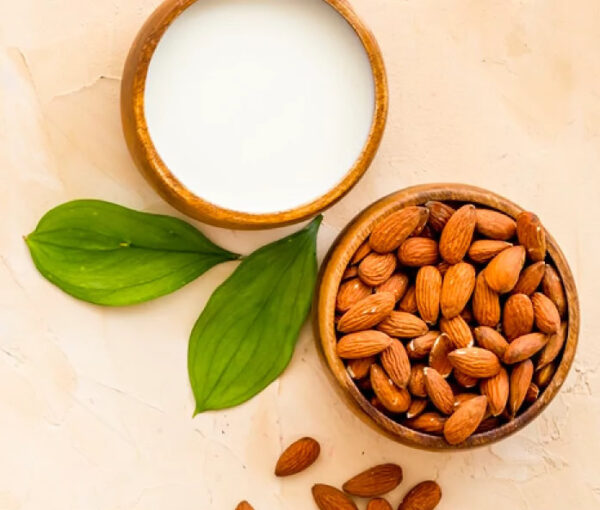
  • Oleic Acid (Omega 9): It provides greater oxidative stability and is excellent for dry skin, but can feel "heavy". Examples: Almond Oil, Olive Oil.

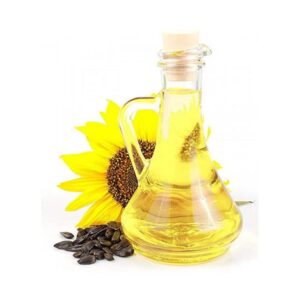
  • Linoleic Acid (Omega 6): Essential for barrier function and ceramides, it has a drier feel, but oxidizes easily (becomes rancid). Examples: Grape Seed Oil, Sunflower Oil.

  • Lauric and Myristic Acid: Medium/short chain oils that provide high penetration and a dry feel. Examples: Coconut oil, Babassu oil.

The Problem of Oxidation

For the industry, rancidity is the number one enemy. An oil rich in polyunsaturated fats (high iodine content) requires the addition of exogenous antioxidants in the oil phase, such as Tocopherol (Vitamin E) or Ascorbyl Palmitate, and the use of chelating agents to sequester metal ions that catalyze oxidation.


In MaianWe work with refined, cold-pressed oils that undergo rigorous peroxide index controls. For highly stable formulations (such as sunscreens or long-lasting foundations), we recommend the use of specific lipid fractions or derived esters, which deliver the emollient properties of natural oil without the vulnerability of unstable double bonds.

Exotic Butters and Crystallization Behavior

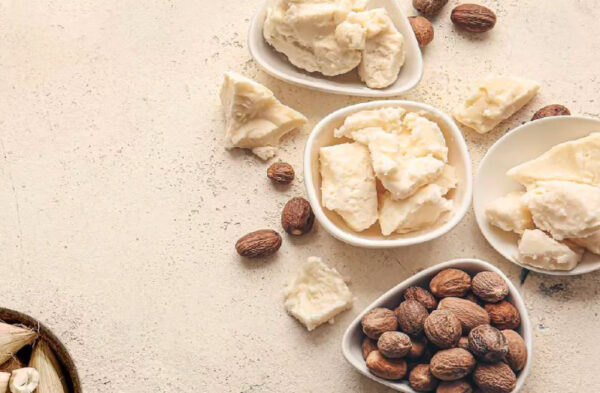
Vegetable butters are essential for providing body (viscosity) and occlusivity, reducing transepidermal water loss (TEWL). However, the physicochemical behavior of butters presents significant rheological challenges, mainly the phenomenon of... polymorphism.


Crystal Control and "Graininess"

Butters like shea and cupuaçu tend to form unstable crystals (polymorphs) if the cooling of the emulsion is not controlled. This results in that grainy appearance (graininess) unwanted in the final product after a few weeks on the shelf.

  • Melting point: The formulator must be familiar with the melting point of butter. Butters with a high stearic acid content (C18:0) crystallize faster.

  • Tempering Process: In industry, controlling the cooling rate in reactors is vital. Very slow cooling favors the formation of Beta crystals (stable and large), which can be felt. Ideally, the correct crystallization should be induced, or "soft" butters that have already undergone fractionation or interesterification processes should be used to ensure homogeneity.

Maian offers standardized butters that minimize batch-to-batch variations, ensuring your cream's texture remains consistent whether you're in summer or winter. The choice between a butter of Murumuru (more waxy and dry to the touch) or Ucuuba (ultra-dry touch and high melting point) should be guided by the desired sensory analysis and the thermal stability required by the product.
Óleos Essenciais vs. Fragrâncias Química e Alergenicidade

Essential Oils vs. Fragrances: Chemistry and Allergenicity

Natural perfumery is a complex art. Unlike synthetic fragrances, which can be designed to be hypoallergenic, essential oils They are complex mixtures of hundreds of volatile compounds (terpenes, aldehydes, ketones, esters).

The Allergen Challenge

Natural components such as Limonene, Linalool, Geraniol, and Citral are listed as potential allergens in European regulations and require labeling if they exceed certain concentrations (0.001% in leave-onFor the formulator, the use of essential oils requires a precise calculation to balance therapeutic/olfactory efficacy with dermatological safety.

  • Phototoxicity: Cold-pressed citrus oils contain furanocoumarins (such as bergapten), which can cause burns under UV light. The industry should opt for versions... FCF (Furanocoumarin Free) or distilled for daytime use products.

  • Solution: Essential oils are lipophilic. In aqueous systems (toners, gels), they require effective solubilizers (such as polysorbates or natural polyglycerol-based solubilizers) to prevent cloudiness or phase separation.

Maian understands that essential oil is not just a "smell," it's an active ingredient. Oils such as Tea Tree (Melaleuca) or Lavender They have bactericidal and calming functions, respectively, and should be treated as functional ingredients in the technical data sheet, with dosages based on efficacy, not just hedonic properties.
Botanical Extracts: Standardization of Markers and Efficacy

Herein lies the biggest difference between a handcrafted cosmetic and a high-performance industrial one: the standardizationA generic "Green Tea" extract doesn't tell you anything. The chemist needs to know: What is the concentration of polyphenols? How much EGCG (epigallocatechin gallate) is present?


The Importance of the Extractor Vehicle

You natural ingredients for the cosmetics industry In the extracts category, prices vary drastically depending on the solvent used:

  • Glycolic Extracts: Traditional, but be careful about the origin of the glycol.

  • Glycerinated Extracts: More aligned with the natural concept, but they can be sticky in high concentrations.

  • Dry Extracts (Powder): High concentration of active ingredients, but hygroscopic and difficult to dissolve without precipitation.

To ensure the product delivers on its promise (e.g., "Antioxidant Action"), the formulator must require reports proving the titration of the main chemical marker. If you use an extract of Centella AsiaticaYou need to ensure the presence of madecassoside and asiaticoside. Without them, you're just adding "dirty water" to the formula.


Maian works with suppliers that use extraction technologies that preserve the thermolabile integrity of phytoactives, ensuring that what enters the reactor has real biological activity.

Clays and Minerals: Particle Size and Cation Exchange Capacity

Clays (phyllosilicates) are powerful functional ingredients for stabilizing emulsions (Pickering effect) and for skin treatment. However, purity is the critical factor.


Microbiological Decontamination

Raw clays are rich in natural bacterial and fungal spores from the soil. For cosmetic use, they... must to undergo sterilization processes. Gamma irradiation is effective, but controversial in the "organic" niche. Controlled heat treatment is the gold standard for maintaining natural status.


Rheology and Sensory

Particle size distribution (measured in mesh or micrometers) defines the sensory.

  • Fine mesh (< 5µm): Silky feel, high coverage, ideal for makeup and creams.

  • Thick fabrics: Physical exfoliating effect.

Furthermore, the Cation Exchange Capacity (CEC) The type of clay determines its ability to absorb oil and toxins. Clays from the Smectite group (such as Bentonite) have high CEC and swell in water, serving as rheological modifiers (thickeners of the aqueous phase), while Kaolinite is inert and serves more as a filler or opacifying agent. The formulator should choose the mineral based not only on color, but also on the structural function it will perform in the formula.

O Desafio da Preservação Ácidos Orgânicos e Hurdle Technology

The Preservation Challenge: Organic Acids and “Hurdle Technology”

Replacing parabens, phenoxyethanol, and formaldehyde releasers is the biggest technical challenge for "Clean Beauty." Microorganisms (Gram-positive bacteria and fungi) are relentless in aqueous, carbon-rich media (extracts, hydrosols).

The Mechanism of Organic Acids

The most common natural preservatives are organic acids (benzoic, sorbic, levulinic, anisic) and their salts. The technical "trick" is... pH.

  • These acids are only active in their form not dissociatedThey need to be protonated in order to penetrate the microorganism's cell membrane and acidify the cytoplasm.

  • This forces the formulator to work within acidic pH ranges (generally < 5.5). If the formula's pH rises to 6.5, the preservative's effectiveness drops drastically (pKa dependent).

Hurdle Technology

Since natural preservatives are weaker than traditional synthetic ones, the industry uses the concept of "Barriers":

  1. Low water activity (aw): The use of glycols and humectants to "trap" free water.

  2. Chelating agents: The use of Sodium Gluconate or Phytic Acid is mandatory to destabilize the bacterial membrane and enhance the preservative effect.

  3. Boosters: Diols (such as caprylyl glycol or plant-derived pentylene glycol) help disperse the preservative and have intrinsic antimicrobial activity.

Maian offers pre-balanced synergistic blends that cover a broad spectrum, facilitating approval in Challenge Test (ISO 11930).

Green Surfactants: Micelles, Irritability, and Thickening

In cleaning systems (shampoos, body washThe replacement of sulfates (SLES/SLS) is a market demand, but a rheological nightmare. Sulfates thicken easily with salt (NaCl). Green surfactants, such as Alkyl Polyglycosides (APGs) and Amino Acids (Glutamates, Sarcosinates), do not respond to salt.


Building Viscosity in Sulfate-Free Systems

The formulator needs to create a mixed micellar architecture or use polymers.

  • Surfactant Combinations: Mix a mild anionic (e.g. Sodium Cocoyl Isethionate or Disodium Cocoyl Glutamate) with an amphoteric (Betaine) and a non-ionic (Decyl Glucoside) to create “stick” micelles that increase viscosity.

  • Natural Thickeners: The use of gums (Xanthan, Scleroglucan), cellulose derivatives (HEC) or polyethylene glycol esters (although the latter are not natural) is often necessary to give the appearance of a "gel".

In addition to rheology, the focus is on smoothnessProtein denaturation tests (Zein Test) show that the surfactants offered by Maian (based on glutamates and isethionates) preserve the integrity of keratin and the lipid mantle, unlike sulfates that "peel away" the skin's protective layer.

High-Performance Emollients: Replacing Silicones and Petrolatum

The sensory properties of silicone (D5, Dimethicone) are the market benchmark: quick spreadability, dry touch, non-occlusive film formation. Pure vegetable oils tend to be "sticky" and have a "play time" (spreading time) that is too long.


To mimic silicone, Maian works with the class of “Green Solvents” and Technological Emollients:

  • Plant Alkanes: Linear or branched hydrocarbons obtained from renewable sources (such as sugarcane or coconut). Dodecan and the Hemisqualane They are volatile and deliver an immediate "dry touch".

  • Short-Chain Esters: Coco-Caprylate/Caprate It is a direct substitute for Cyclomethicone.

  • Alternatives to Vaseline: Vegetable oil polymers and dilinoleic acid dimers can create the "film" and lip gloss effect that was previously exclusive to polybutene or petrolatum, but with complete biodegradability.

For R&D, the key is to map the "Emollient Cascade": combining a fast-spreading, a medium-spreading, and a slow-spreading emollient to create a complete sensory experience during application.

Certifications (COSMOS, Ecocert) and Supply Chain Traceability

Documentation is as vital as the molecule. For companies targeting exports or premium niches, certifications are essential. COSMOS (Organic/Natural), Ecocert, Nature or IBD They are mandatory.


These certification bodies audit not only the final product, but each raw material (RM).

  • Prohibited Processes: Irradiation, ethoxylation (at some levels), use of petrochemical solvents, genetically modified organisms (GMOs).

  • Green Chemistry: The synthesis processes of ingredients (e.g., surfactants) should follow the 12 principles of green chemistry, minimizing waste and energy use.

Maian acts as a regulatory filter. We provide the declarations of origin, procurement flowcharts, and non-GMO certificates that your quality department will need for the audit. Without this traceability, your product will be "stuck" when trying to obtain the certification.

Galenic Stability: pH, Viscosity, and Compatibility

Formulate with natural resources It's about dealing with "living instability." Synthetic ingredients are inert; natural ones react.

  • pH drift: Plant extracts can release acids or bases over time, altering the pH of the formula. As we have seen, this can inactivate the preservative. The use of buffers such as sodium citrate is often necessary.

  • Incompatibilities: Natural gums (anionic, such as xanthan gum or alginate) can precipitate if mixed with cationic conditioners (quaternary ammonium compounds). The formulator should choose non-ionic gums (hydroxypropyl guar gum, HEC) or compatible cationic systems (such as... Brassicyl Isoleucinate Esylate).

  • Color Change: Polyphenols and flavonoids are chromophores sensitive to light and oxidation. A white cream with green tea extract may turn brown in 3 months. The use of color stabilizers, opaque packaging, or UV filters for the product is a technical packaging and formula decision.

Sustainability: Upcycling and the Nagoya Protocol

The concept of ESG (Environmental, Social, and Governance) has reached the newsroom. Large... players They require knowing if the asset meets the Nagoya Protocol (Benefit sharing regarding biodiversity). In Brazil, registration in SISGEN is mandatory for R&D involving native flora.


The strongest trend is the UpcyclingTransforming waste from other industries into luxury cosmetics.

  • Passion fruit seeds from the juice industry are turned into oil.

  • Coffee grounds can be turned into an exfoliant or an anti-cellulite agent.

  • Citrus peels yield terpenes used in perfumery.

Maian prioritizes partners who implement the circular economy, as this provides a storytelling Powerful for Marketing and legal security for Industry.

Trends in Bioactives: Fermented and Adaptogenic Products

The future of natural ingredients for the cosmetics industry It's biotechnological. Extraction isn't enough; it needs to be enhanced.

  • Fermented products (Bio-ferments): Fermentation breaks down large molecules into smaller ones, increasing their bioavailability in the skin. Fermented minerals (zinc, copper, magnesium) penetrate better than their inorganic salts. Furthermore, they generate postbiotics that promote a healthy skin microbiome.

  • Adaptogens: Plants that survive extreme conditions (such as Rhodiola Rosea or AshwagandhaThey produce phytochemicals that help human skin resist environmental and oxidative stress.

  • Neurocosmetics: Active ingredients that stimulate the release of beta-endorphins in the skin, promoting a feeling of well-being and relaxation of facial micro-tension (a natural "botox-like" effect, such as the extract of...). Acmella Oleracea).

Supplier Selection: The Role of the Technical Distributor

In the chemical industry, price per kg is just one variable. The real cost involves: Lead timeMinimum order size (MOQ), Shelf life of the delivered batch, and Technical support.


Often, the industry buys cheap "argan oil" that, upon chromatographic analysis, turns out to be adulterated with soybean oil. The cheap option ends up being expensive when the product is recalled. Maian positions itself not as a "commodity seller," but as an extension of your laboratory.

  • Smart Fractioning: We cater to projects ranging from pilot plants to large-scale production.

  • Agile Sampling: We know that R&D needs to test quickly.

  • Curated by: We filter the global market to bring you only what has a validated performance.

Innovation in Processes: Supercritical CO2 and Enzymatic Technology

Finally, the quality of the raw material depends on the extraction technology. Older methods using organic solvents (hexane) are being phased out.

  • Supercritical Fluid (CO2): Supercritical CO2 acts as a non-polar solvent, extracting oils and essences with total purity, without solvent residues and at low temperatures (protecting thermolabile actives). It is the gold standard for sensitive oils such as Rosehip and Sea Buckthorn.Sea Buckthorn).

  • Enzymatic Extraction: The use of enzymes to "digest" the plant cell wall and release active ingredients that water alone could not extract (such as peptides and complex sugars).

These technologies result in ingredients with Active ingredient concentration up to 50x higher Unlike conventional extracts, when formulating with these Maian ingredients, you use lower dosages (0.1% to 0.5%) with superior results, optimizing the final formula cost.

Conclusion

Migrating to natural ingredients in the cosmetics industry is not a step back to the "old apothecary"; it's a leap into the chemistry of the future. It requires the formulator to master concepts of colloids, interfaces, reaction kinetics, and microbiology much more deeply than in inert synthetic formulations.


You natural ingredients for the cosmetics industry They offer unparalleled biocompatibility and meet the urgent call for sustainability. But they do not forgive process errors. The stability of a natural emulsion is a technical achievement, not a given.


For Maian, every bottle of raw material that leaves our warehouse carries with it a promise of integrity, science, and support. Whether you're a senior formulator at a multinational company or the founder of a brand. indie In a cutting-edge environment, the success of your product begins with the quality of what you put into the reactor.


We are ready to discuss chromatography, rheology, and preservation strategies with your technical team. The future of beauty is green, but above all, it's high-tech.

Frequently Asked Questions (FAQs)

1. How to prevent the oxidation of omega-rich vegetable oils in cold process formulations?

In addition to the mandatory use of antioxidants such as Tocopherol (0.1-0.5%) and Ascorbyl Palmitate, it is crucial to add a chelating agent (such as Sodium Gluconate) to sequester pro-oxidant metal ions and, ideally, to use packaging. airless Or opaque to protect against photodegradation?

2. What is the best strategy for thickening shampoos? sulfate-free without losing transparency?

The use of associative thickeners such as PEG-120 Methyl Glucose Dioleate (or natural alternatives such as ethoxylated sorbitan trioleates, if permitted) in synergy with pH adjustment and the correct ratio of amphoteric surfactants (Cocoamidopropyl Betaine) usually generates viscosity without cloudiness, unlike gums which can become opaque.


3. Is it possible to formulate completely natural, stable W/O (Water in Oil) emulsions?

Yes, using plant-based emulsifiers based on Polyglycerol Polyricinoleate (PGPR) or Sorbitan Olivates, combined with oil-phase stabilizers (waxes and butters) and salts in the aqueous phase (Magnesium Sulfate) to stabilize the interface, even though the homogenization process requires high shear?


4. How to replace EDTA in certifiable natural formulations (COSMOS)?

Should EDTA be replaced by biodegradable, naturally derived chelating agents such as phytic acid (derived from rice), sodium gluconate (from glucose fermentation), or tetrasodium glutamic diacetic acid (GLDA), which offer excellent complexation capacity for calcium and magnesium ions?

5. Do natural preservatives alter the viscosity or color of the final product?

Yes, some preservatives like potassium sorbate can yellow the formula over time (Maillard reaction or oxidation), and organic acids can reduce the viscosity of gels based on carbomers or pH- and electrolyte-sensitive gums, requiring prior compatibility testing.

Maian — inovadora por natureza
  • (11) 4774-7010
  • comercial4@maian.com.br
  • marketing@maian.com.br
  • +55 11 92666-9497
  • sac@maian.com.br
  • Ethics and Whistleblowing Channel
    A safe space for you to be heard.
    denuncia@maian.com.br

NAVIGATE
PER

BROWSE BY

  • About Us
  • Segments
  • Innovation
  • News
  • Contact

FOLLOW-
US

FOLLOW US

Facebook Instagram Linkedin Youtube

WHERE
WE ARE

WHERE ARE WE

  • Rua Anthero Correia de Godoy Filho, 125 Jandira - SP CEP 06612-275, Brazil

CHILE

URUGUAY

BRAZIL

COLOMBIA

U.S

CANADA

SOUTH AFRICA

PORTUGAL

SPAIN

FRANCE

NETHERLANDS

BELGIUM

POLAND

RUSSIA

THAILAND

VIETNAM

MAIAN CHEMICAL PRODUCTS INDUSTRY LTDA
CNPJ: 35.634.515/0001-28
© Copyright 2025 | All rights reserved

Developed by:

SPL

Request a Quote

Request a Quote

Results for {phrase} ({results_count} in {results_count_total})
Showing {results_count} results for {results_count_total}